


Chinese astrology
Chinese astrology, with a history spanning thousands of years, is a rich system of philosophy and
prediction featuring twelve animal zodiac signs, each with unique traits. For instance, the Dragon
symbolizes strength and luck, while the Snake represents cunning and intuition.
The system includes five elements—water, wood, fire, earth, and metal—that influence each sign's
characteristics, adding complexity. For example, the Metal Ox is determined, and the Water Rabbit is
adaptable.
Chinese astrology considers the year, month, day, and hour of birth for personalized predictions and
provides practical recommendations for choosing auspicious days for important events, guiding daily
life.
Mayan astrology
Mayan astrology, rooted in ancient Mesoamerican civilizations, combines astronomy and mysticism to
predict the future and understand time cycles. Using complex calendars like the 260-day Tzolk'in and
the 365-day Haab, it forms the Calendar Round.
The Tzolk'in assigns energies and purposes to each day, determining character and destiny. For
example, those born under "Ben" are leaders and problem-solvers.
The Maya also tracked planetary movements, using Venus, Mars, and Jupiter to predict events like
warfare and royal rituals. Venus's visibility as the morning star marked military campaigns.
Mayan astrology identifies the best days for new projects and important events, aligning plans with
favorable periods for growth. It offers insights into cosmic and earthly cycles, promoting harmony
with natural rhythms and deeper self-awareness.
Western astrology
Western astrology, originating over two thousand years ago in Mesopotamia, combines astronomy and
mythology with twelve zodiac signs, each symbolizing unique traits. For instance, Aries represents
energy and leadership.
Planets rule specific signs and influence personality traits and life paths. For example, Venus
rules Taurus and Libra, linking them to love and harmony. The ascendant sign, rising at birth,
affects first impressions and modifies zodiac traits. Horoscopes determine favorable periods by
analyzing planetary positions.
Sometimes, additional constellations are considered for deeper insights. Western astrology offers
profound understanding of personal characteristics, promoting conscious interaction with the world
and rational life planning.
vedic astrology
Vedic astrology, or Jyotish, from ancient India, combines star and planet movements with
philosophical teachings. It divides the zodiac into twelve signs and 27 lunar mansions (Nakshatras),
each influencing destiny and personality.
Planets, or Grahas, carry karmic tasks; Jupiter brings wisdom, while Saturn poses challenges.
Jyotish uses precise birth times to create charts predicting significant events and growth
opportunities.
Jyotish offers methods to mitigate problems, like mantras and charitable actions, enhancing
development and synchronizing actions with cosmic rhythms. It optimizes success in ventures through
auspicious timing (muhurta).
Beyond personal insights, Jyotish studies planetary influences on nations and global events,
predicting political, economic, and social trends.
Hellenistic astrology
Hellenistic astrology, from ancient Greece, combines astronomy and philosophy to explore how planets
and stars shape human destiny.
Founders like Ptolemy used natal astrology to reveal personality and destiny through birth charts.
Hellenistic astrologers also determined favorable times for actions, aiding kings in planning
military campaigns and alliances.
Planetary rulership adds layers to analysis, with each planet influencing specific zodiac signs. For
instance, Saturn indicates discipline and responsibility but also fears and limitations.
Hellenistic astrology uses predictive methods like transits and progressions to track planetary
movements and internal changes. It offers insights into personal and psychological dynamics, helping
navigate complex life circumstances by understanding celestial influences.
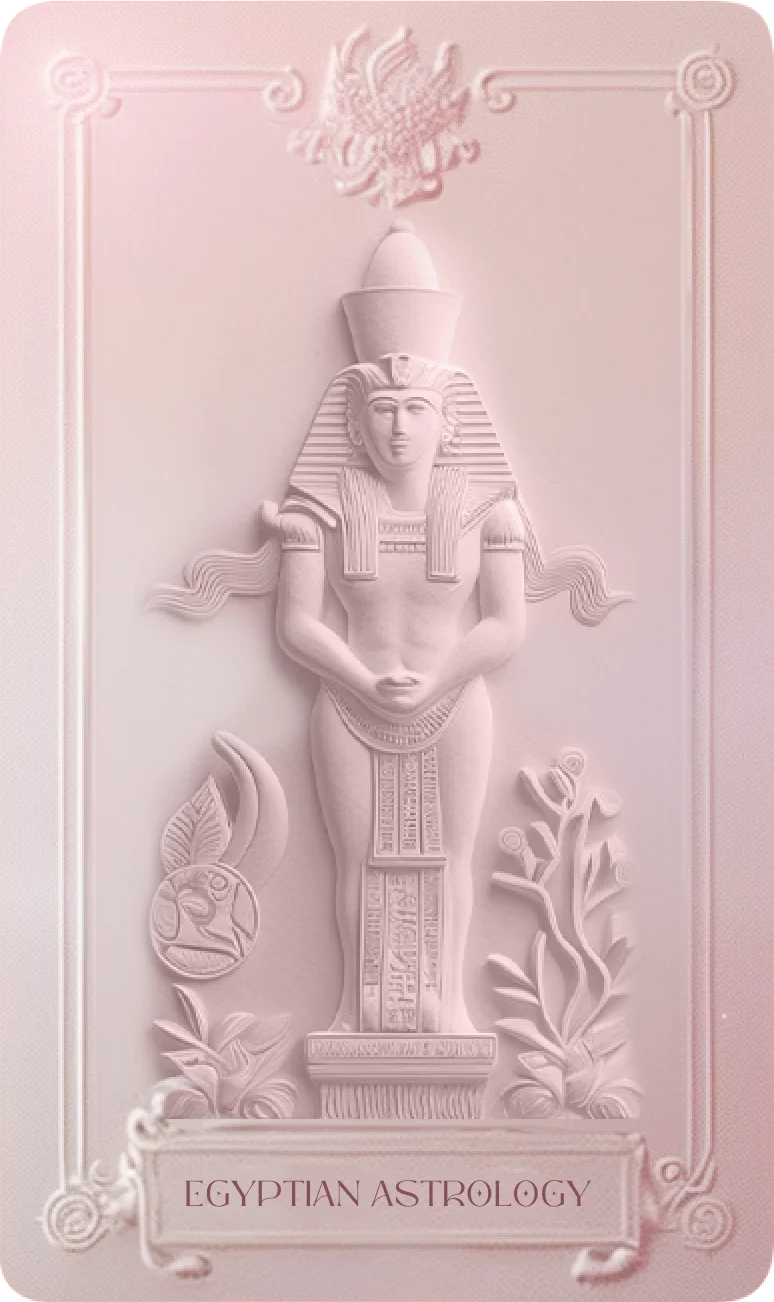
Egyptian astrology
Egyptian astrology, one of the world's oldest systems, merges celestial knowledge with deep
religious beliefs from ancient Egypt. Unlike Western astrology's twelve signs, Egyptian astrology
employs 36 decans, each representing a 10-degree section of the zodiac associated with specific
deities. For example, the first decan of Gemini is linked with Anubis, the god of the afterlife,
symbolizing mystery and insight.
Egyptian astrology's impact extended across various facets of Egyptian culture, including
architecture, where structures were meticulously aligned with celestial positions to invoke cosmic
harmony and divine blessings.
Beyond mere fortune-telling, Egyptian astrology bridges earthly existence with the divine realm,
offering profound insights into cosmic principles. Each symbol and calculation in this ancient
system carries profound meaning, providing access to mysteries and ancient wisdom.
Celtic astrology
Celtic astrology, rooted in ancient Celtic culture, connects humans, nature, and deities through the
Celtic tree of life. It focuses on 21 trees, each representing a time segment in the Celtic
calendar. For instance, Birch signifies new beginnings, while Willow symbolizes magic and intuition.
Each tree-based "sign" reflects unique traits: Oak signifies strength, while Linden represents
peace. The Ogham alphabet adds depth to personality and destiny analysis.
This system determines auspicious days for agriculture, healing, and spiritual practices, optimizing
nature's energies. Celtic astrology appeals to spiritual seekers and those reconnecting with nature,
offering self-understanding and highlighting the bond between all beings and the Earth. It provides
opportunities for self-discovery and harmony, showcasing ancient Celtic wisdom.
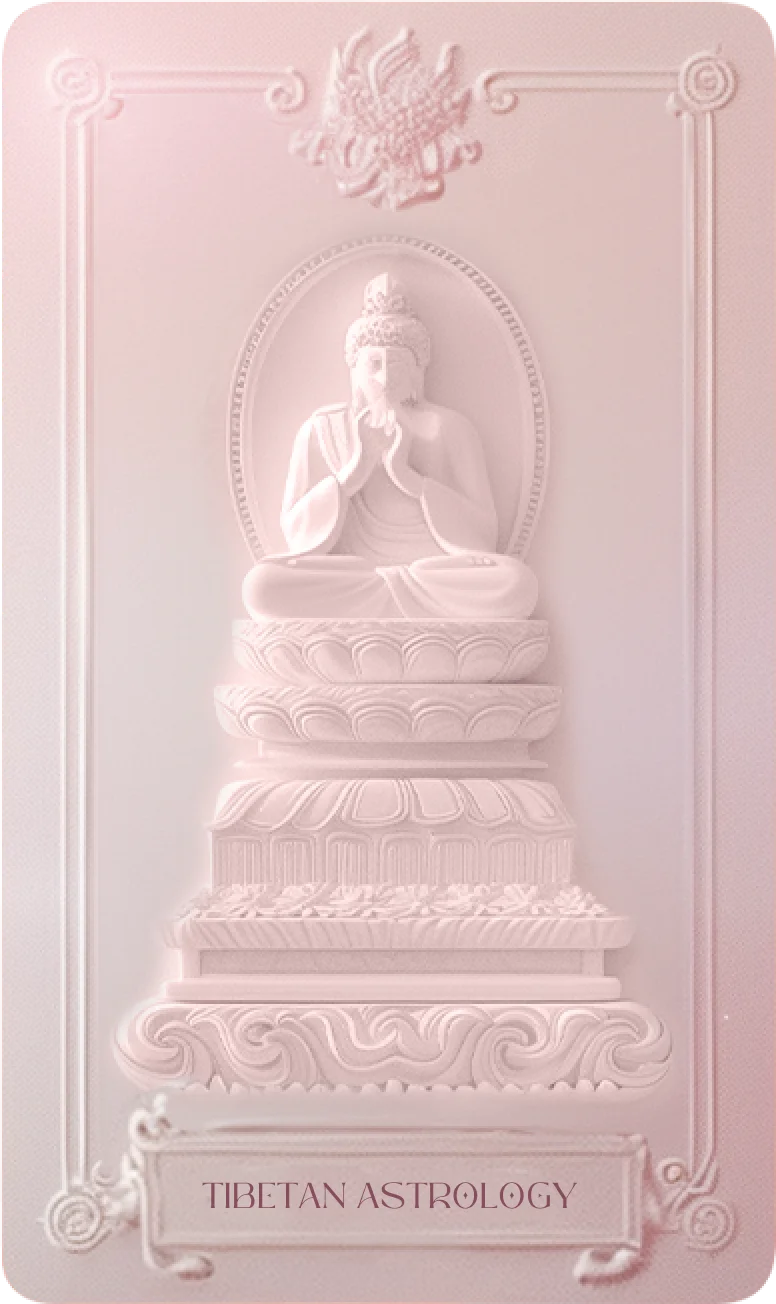
Tibetan astrology
Tibetan astrology, rooted in Buddhist philosophy, blends Chinese, Indian, and local teachings to
understand karmic cycles and life paths. It uses a calendar combining solar and lunar cycles, nine
mewa (numbers linked to colors and elements), and eight parkha (compass directions) to analyze
fortune, health, and predict events.
Key elements include the "lunar nodes" (Rahu and Ketu), indicating karmic debts and spiritual
development. Tibetan astrology also identifies auspicious days for endeavors, journeys, and rituals.
Unique to this system is its medical aspect, linking health to astrological charts for diagnosing
and treating illnesses. Tibetan astrology offers tools for predicting the future and methods for
spiritual and physical healing, helping individuals achieve harmony and understand their place in
the universe. This ancient art remains relevant, providing valuable guidance on life's profound
laws.
Arabic astrology
Arabic astrology, rooted in the Islamic Golden Age, synthesizes scientific knowledge and mysticism,
influenced by Greco-Roman, Persian, and Indian traditions. It significantly impacted medieval
science and Western European astrology.
A key feature is the use of 28 lunar mansions, each linked to a star or constellation with symbolic
meanings, such as Al-Sharatain for new beginnings and Al-Balda for strength.
It includes "Planet Rulers" (Almutens) to identify the dominant planet in a natal chart, revealing
character and destiny. Astrological "lots" analyze life aspects like marriage and profession based
on planetary positions.
Connected to medical astrology, it offers health recommendations by associating celestial bodies
with body parts (e.g., the Sun with the heart).
Arabic astrology provides deep insights into personal traits, life paths, and broader cosmic
processes.
Uranian astrology
Uranian astrology, emerging in the 20th century, explores the influence of outer planets—Uranus,
Neptune, and Pluto—on human life, symbolizing transformation and global shifts.
Enhancing classical practices, Uranian astrology focuses on evolution and major life cycles. Uranus
signifies innovation, Neptune embodies spirituality, and Pluto symbolizes power and regeneration.
Key methods include analyzing aspects between transpersonal and personal planets. For instance,
Uranus-Venus opposition may indicate sudden romantic changes. Transits of these planets trigger
significant transformations, while progressions and directions assess internal development.
Uranian astrology provides insights into personal and collective trends, aiding in understanding and
navigating transformations in a dynamic world.